

Blogs
Apple Picking, Pumpkin Patches, and Fall Weekends Without the Back Pain

Why a Day at the Orchard Catches Up With You on Sunday Morning
The first truly crisp Saturday of October arrives and everybody in Warwick has the same idea. You load the kids in the car, drive out toward the orchards, and spend the day reaching into apple trees, hauling a half-bushel bag from row to row, and wandering a pumpkin patch until somebody finds the perfect one. It is one of the best days of the year in New England. Then you wake up Sunday morning and your lower back is stiff, your shoulders ache, and you cannot quite figure out why a fun day out left you feeling like you moved furniture.
It is a pattern Dr. Jamie Enos sees every autumn at Enos Chiropractic Center. Fall around here is deceptively physical. Between overhead reaching, uneven ground, carrying awkward loads, and hours on your feet, an ordinary weekend at the orchard asks a lot more of your spine than most people realize until the next morning.
“Nobody thinks of apple picking as a workout. But you are reaching overhead, twisting, and carrying heavy, awkward loads across bumpy ground for hours. Your back absolutely notices,” says Dr. Enos.
Why a Day at the Orchard Is Harder on Your Body Than It Looks
The trouble with fall activities is that they hide their difficulty behind a good time. You are not counting reps or watching a clock, so you keep going well past the point where your body would normally ask for a break. Several things stack up at once.
- Overhead reaching: Stretching up into a tree extends your spine and loads your shoulders in a position most of us almost never use, especially after a summer of sitting.
- Repeated bending: Pumpkin patches and low apple branches mean dozens of trips down toward the ground and back up, and those repetitions add up fast.
- Uneven terrain: Orchard rows, muddy patches, and rutted fields force your ankles, knees, and hips to constantly adjust, which fatigues the small stabilizing muscles that protect your lower back.
- Awkward loads: A bag of apples or a twenty-pound pumpkin held out in front of you multiplies the force on your lumbar spine far beyond the actual weight.
None of those things is dangerous on its own. Combined across four or five hours, on a body that has not done much overhead or bending work since spring, they are a very common recipe for a Monday morning flare-up.
Reach Smarter When You Are Picking
The single biggest culprit at the orchard is the overhead reach, particularly the one where you stretch as far as you possibly can for the apple just out of range. That combination of maximum extension and rotation is where a lot of shoulder and mid-back strains start.
- Move your feet, not just your arms: Step directly under the fruit you want instead of leaning sideways to reach it, so your spine stays stacked rather than bent and rotated.
- Use the ladder or picker pole: Most orchards provide them for a reason, and there is no prize for reaching the highest apple unassisted.
- Alternate arms: Switching which arm does the reaching spreads the work across both shoulders instead of exhausting your dominant side.
- Take the easy fruit: The apples at chest height taste exactly the same as the ones at the top of the tree.
If overhead motion already gives you trouble, that is worth paying attention to rather than working around. Persistent shoulder pain that limits your reach often has a component coming from the neck and upper back, and it rarely improves on its own.
Carry Pumpkins and Apple Bags the Right Way
Every fall, somebody hurts their back lifting a pumpkin. It is almost a Rhode Island tradition at this point. The problem is not the weight so much as the shape: a big pumpkin is bulky, slippery, and impossible to hold close, which is exactly the profile of a load that strains a lumbar disc.
- Squat, do not stoop: Bend your knees and hips to get down to the pumpkin, keeping your back straight, and drive up through your legs.
- Hug it in tight: Pull the load against your chest and stomach before you stand, because every inch away from your body dramatically increases the strain on your lower back.
- Never twist while loaded: Turn by stepping your feet around rather than rotating your spine with twenty pounds in your arms.
- Use the wagon: That is what the farm carts are for, and it is not cheating.
- Split the apple bag: Two lighter bags, one in each hand, balance the load far better than one heavy bag pulling you sideways.
If you feel a sudden pull or a sharp catch during a lift, stop right there. That is your body giving you information, and pushing through it is how a minor strain becomes a lower back problem that follows you into the holidays.
Pace the Day and Protect Your Feet
Hours of walking on soft, uneven ground is its own kind of workload. Your feet, ankles, and hips absorb the irregularity, and by mid-afternoon fatigue quietly changes how you move. That is when technique slips and injuries happen.
- Wear real shoes: Supportive sneakers or boots beat fashion flats or worn-out sandals on orchard ground every time.
- Break up standing time: Sit down for ten minutes with a cider donut instead of powering straight through the whole visit.
- Stretch backward: After a long stretch of bending, stand tall and gently arch backward a few times to reverse the forward posture.
- Hydrate anyway: Cooler weather masks how much you sweat, and dehydrated muscles fatigue and cramp sooner.
Small resets throughout the day are far more effective than one long collapse on the couch afterward.
Give Your Body a Head Start on the Season
Fall is the beginning of a genuinely demanding stretch in Rhode Island: orchards, then leaf cleanup, then holiday travel, then shoveling. Going into that with a back that already grumbles is a long few months. A visit now, before the season really piles on, lets Dr. Enos see how you are moving and address the small restrictions that turn into big problems in January. You can book an appointment online in a couple of minutes.
Recovering After a Big Fall Weekend
Ordinary soreness after an active day is normal and usually settles within forty-eight hours. How you handle that window matters.
- Keep moving gently: A short, easy walk Sunday morning does more for a stiff back than lying still all day.
- Ice a sharp ache: Fifteen to twenty minutes on a specific sore spot helps calm things down after heavy exertion.
- Stretch the hips: Loosening tight hip flexors and hamstrings takes a surprising amount of pressure off the lumbar spine.
Some symptoms deserve more than home care. Pain that shoots down a leg, numbness or tingling, or weakness in a foot can point to nerve irritation rather than simple muscle strain, and early attention makes sciatica relief considerably easier. For stubborn soft-tissue soreness that lingers past a week, SoftWave therapy is a non-invasive option that supports your body’s natural recovery process alongside hands-on care.
Schedule Your Visit With Enos Chiropractic Center
Fall in Rhode Island is too good to spend on the sidelines. Whether you want to get checked before the busy season or you already overdid it at the orchard last weekend, Dr. Jamie Enos and the team at Enos Chiropractic Center in Warwick are here to help. A thorough evaluation, targeted chiropractic care, and practical advice built around how you actually spend your weekends can keep you comfortable straight through the holidays.
‹ Back
Recent Posts
-
-

-
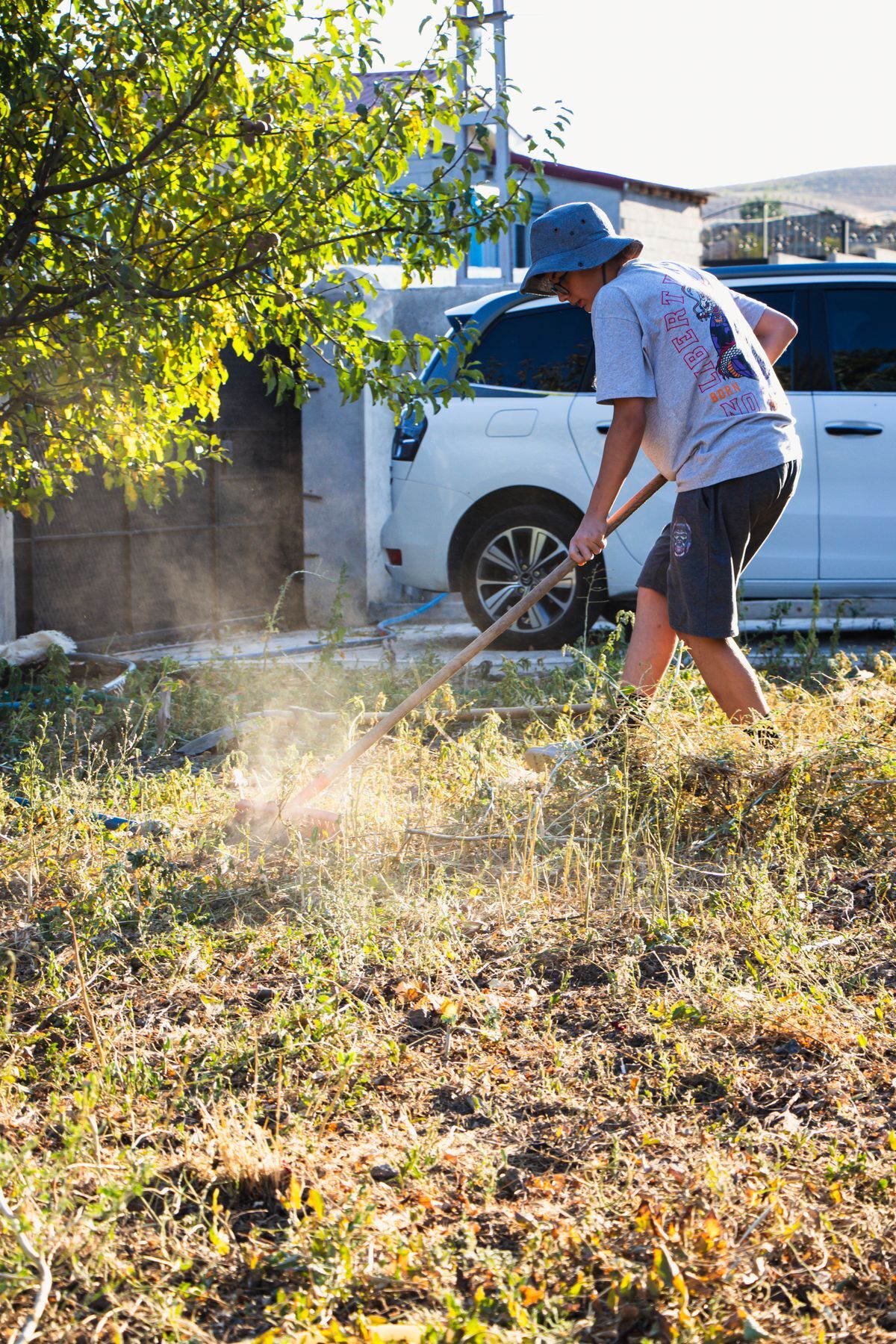
Raking Season Is Coming: How to Protect Your Back During Fall Yard Work
September 23, 2026
-

Fall Sports Season: Protecting Young Athletes From Football to Cross-Country
September 16, 2026
-

Back to the Desk: Undoing Summer's Posture Damage Before Fall
September 9, 2026