Blogs
Backpacks and Back-to-School: Protecting Your Child's Spine This Fall
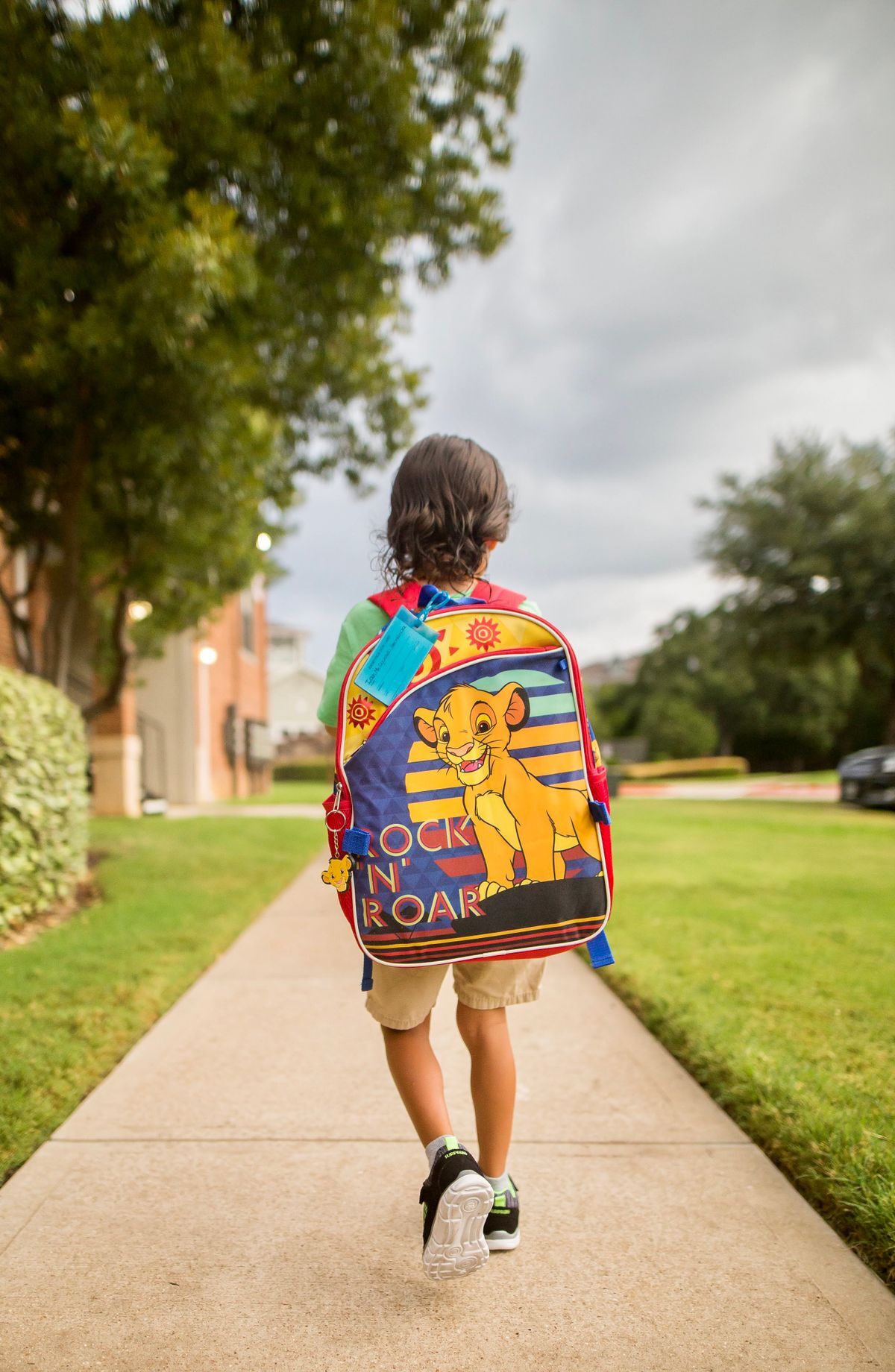
Backpacks and Your Child’s Spine: A Back-to-School Guide for Warwick, Rhode Island Parents
The school supply lists are checked off, the new sneakers are by the door, and somewhere in your kitchen sits a backpack that already looks too heavy to lift. If you live in Warwick or anywhere across greater Rhode Island, you know the back-to-school rhythm well: cooler mornings, busy bus stops, and a Northeast fall that arrives faster than anyone expects. In all the rush, the humble backpack is easy to overlook, yet it rides on your child’s shoulders for hours every single day.
Here is the part many parents do not realize: a heavy, overstuffed, or poorly worn backpack can put real strain on a child’s still-developing spine. Growing bodies are remarkably resilient, but they are also more vulnerable to the habits they form now. That is where we come in. At Enos Chiropractic Center in Warwick, Dr. Jamie Enos helps local families keep their kids comfortable, well-aligned, and ready to learn.
“Parents are often surprised by how much a backpack can affect posture. The good news is that small, simple changes at home make a real difference, and kids respond beautifully.”
Why a Heavy Backpack Matters More Than You Think
When a pack is too heavy or worn incorrectly, a child instinctively compensates. They lean forward, hunch a shoulder, or shift their weight to one side to manage the load. Over time, those small adjustments can turn into lasting posture habits. The strain can show up as neck, shoulder, and upper back pain, tension headaches, and tired, achy muscles after a long school day.
- Developing spines are sensitive: a child’s skeleton is still growing and forming, so repeated strain has a bigger impact than it would on an adult.
- Compensation becomes habit: leaning to offset a heavy load can quietly set in as a default posture, even when the pack comes off.
- Discomfort affects focus: a child who aches in the shoulders or neck has a harder time sitting comfortably and concentrating in class.
How Much Should a Loaded Backpack Weigh?
A helpful general guide is to keep a fully loaded backpack at no more than 10 to 15 percent of your child’s body weight. For a 60 pound child, that is roughly 6 to 9 pounds. It is worth doing the math once at the start of the year, then spot-checking the pack on a bathroom scale every so often, because supplies, water bottles, and library books have a way of piling up.
- Weigh it occasionally: set the full backpack on a scale to see where it actually lands against that 10 to 15 percent range.
- Clean it out weekly: old worksheets, forgotten snacks, and extra books add pounds your child does not need to carry.
- Use the locker or cubby: encourage your child to leave behind anything not needed for that afternoon’s homework.
Choosing and Fitting the Pack Correctly
The right backpack, worn the right way, prevents a surprising amount of trouble. Fit matters just as much as weight. A well-chosen pack distributes the load evenly and sits where the back is strongest, rather than dragging down toward the hips.
- Wide, padded straps: thin straps dig into the shoulders, while wide padded ones spread the pressure comfortably.
- Both shoulders, always: slinging the pack over one shoulder is the single most common mistake, and it pulls the spine off balance day after day.
- A chest or waist strap: these stabilize the load and shift some of the weight onto the stronger core and hips.
- Worn high and snug: the pack should ride high against the back and stay close to the body, not sag down by the hips.
Pack It Smart: Heaviest Items Closest to the Back
How a backpack is loaded changes how it feels to carry. The goal is to keep the center of gravity close to the spine so your child does not have to lean to stay balanced. A few seconds of thoughtful packing each morning pays off all day.
- Heaviest items first: place textbooks and binders in the compartment closest to your child’s back.
- Lighter things out front: keep notebooks, folders, and soft items in the outer pockets.
- Use every compartment: spreading items out prevents everything from sliding into one heavy lump at the bottom.
Warning Signs Every Parent Should Watch For
Kids do not always tell you when something hurts, so it helps to know what to look for. If you notice any of these signs, it is worth paying attention and, if they persist, reaching out for professional neck pain care or an evaluation.
- Red marks or grooves: indentations on the shoulders after taking the pack off suggest it is too heavy or the straps are too thin.
- Complaints of pain: repeated mentions of a sore neck, shoulders, or back should never be brushed off as just growing pains.
- Tingling in the arms: numbness or a pins-and-needles feeling can signal that straps are compressing nerves.
- Leaning or struggling: a child who leans forward, tilts to one side, or strains just to get the pack on is carrying too much.
If any of these sound familiar, do not wait it out. Book a visit with Dr. Jamie Enos and let us take a gentle, thorough look at how your child is doing.
Posture, Core Habits, and a Supportive Homework Space
A backpack is only part of the picture. The hours your child spends at a desk (or hunched over a tablet on the couch) matter just as much. Simple, consistent habits build the strength and posture awareness that protect a growing spine for years.
- Feet flat, back supported: set up a homework space where your child’s feet reach the floor and their lower back has support.
- Screen at eye level: raising a tablet or laptop helps prevent the forward head lean that strains the neck.
- Move and stretch: short breaks to stand, stretch, and walk around keep muscles from stiffening up.
- Gentle core play: activities like swimming, biking, and simple stretching naturally build the core strength good posture depends on.
How Gentle Chiropractic Care Helps School-Age Kids
If your child is already showing the strain of a heavy school year, you do not have to manage it alone. Pediatric chiropractic care is gentle and age-appropriate, tailored to a child’s size and stage of growth. Dr. Enos uses light, careful techniques designed for young, developing bodies, never the forceful adjustments some parents picture.
Care often combines a few complementary approaches. Targeted neck pain care can ease the tension that builds from leaning forward over a backpack or a screen. When muscles need strengthening and retraining, physiotherapy helps restore healthy movement and supports better posture over time. Together, these can relieve discomfort now and help prevent it from settling in.
- Gentle and age-appropriate: techniques are matched to your child’s body, with comfort and safety the priority.
- Whole-picture approach: we look at the backpack, the posture, and the daily habits, not just the symptom.
- Local and familiar: as a Warwick practice, we understand the rhythms of Rhode Island school life and the families who live it.
Schedule Your Child’s Back-to-School Checkup
A new school year is the perfect moment to make sure your child is carrying their load comfortably and standing tall. Whether you have specific concerns or simply want peace of mind, Dr. Jamie Enos and the team at Enos Chiropractic Center in Warwick, Rhode Island are here to help your family start the year strong. A quick, reassuring visit now can save a lot of aches later.
‹ Back
Recent Posts
-
Backpacks and Back-to-School: Protecting Your Child's Spine This Fall
September 2, 2026
-

-

-
-