

Blogs
Raking Season Is Coming: How to Protect Your Back During Fall Yard Work
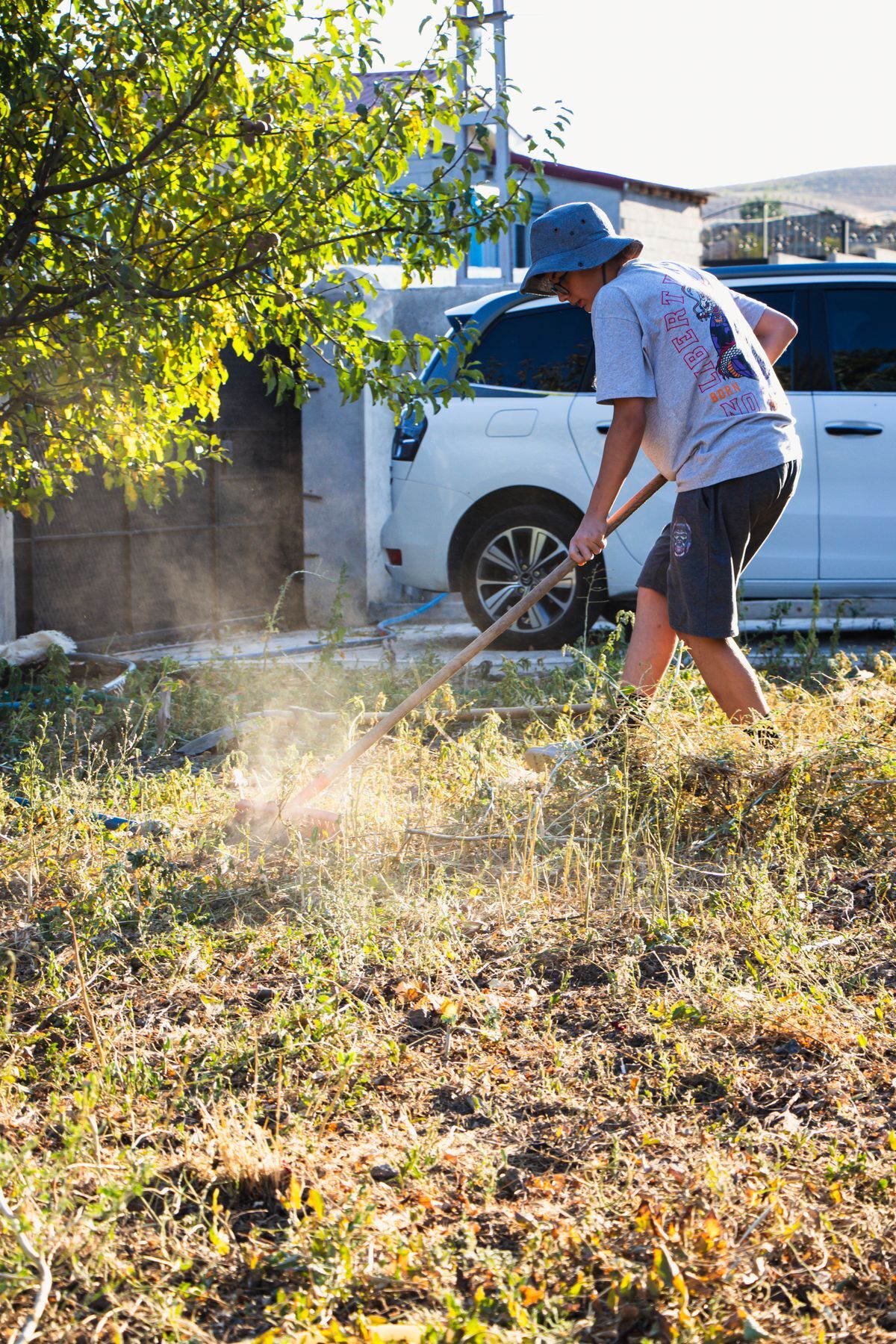
Fall Yard Work in Warwick, Rhode Island: How to Rake the Leaves Without Wrecking Your Back
It always starts the same way. You step out onto the porch on a crisp Saturday morning, coffee in hand, and the whole yard is buried under a fresh blanket of maple and oak leaves. The neighbors are already at it. So you grab the rake, tell yourself it will only take an hour, and four hours later you are hunched over, bagging the last pile and wondering why your lower back feels like it belongs to someone twice your age.
If that sounds familiar, you are in good company. Across Warwick and greater Rhode Island, the autumn leaf drop turns ordinary homeowners into weekend warriors, and all that raking, bending, twisting, and hauling adds up fast. The repetitive one-sided motion of clearing a New England yard is a classic recipe for low back strain and sciatica flare-ups, especially if you have been sitting at a desk all week and then attack the entire property in a single afternoon.
That is where Enos Chiropractic Center comes in. Dr. Jamie Enos has spent years helping local residents recover from the aches and injuries that come with seasonal yard work, and just as importantly, helping them avoid those injuries in the first place. A little knowledge about how your body moves can keep a fall cleanup from turning into weeks of discomfort.
“Most of the back pain I see every November is not from one dramatic moment. It builds up slowly over hours of the same bend-and-twist motion. The good news is that with smarter technique and a little pacing, a lot of it is completely preventable.”
Why Raking and Bagging Are So Hard on Your Back
Raking looks gentle compared to shoveling snow, which is probably why so many people underestimate it. The trouble is not any single movement, it is the sheer volume of repetition combined with awkward posture. When you rake, your spine spends a long stretch of time in a sustained forward bend while your trunk rotates back and forth, over and over.
- Sustained forward bend: Leaning over the rake for long periods keeps your lower back muscles working hard with very little rest, which fatigues them and leaves your spine vulnerable.
- Repetitive trunk rotation: Each pull twists your spine slightly, and thousands of small twists in one afternoon add up to real strain on the discs and supporting muscles.
- Raking to one side: Most of us favor a dominant side and never switch, which loads one part of the back unevenly for hours.
- Heavy, awkward leaf bags: Wet New England leaves are deceptively heavy, and lifting a bulky bag you cannot get close to your body is a frequent trigger for a sudden strain.
Put those factors together on a previously sedentary body and it is easy to see why so many Warwick homeowners limp into the office every fall. Understanding the cause is the first step toward protecting yourself.
Proper Raking Technique That Protects Your Spine
You cannot avoid the leaves, but you can change how you move through them. Good technique spreads the workload across your stronger leg and hip muscles instead of dumping it all on your lower back.
- Stagger your stance: Place one foot ahead of the other and shift your weight gently between them as you pull, rather than standing square and bending at the waist.
- Keep the rake close: Reaching far out forces you into deeper bends and longer levers, so work the leaves near your body and step toward them instead.
- Switch sides regularly: Swap your hand position and raking direction every few minutes so no single set of muscles takes the whole beating.
- Bend at the hips and knees: When you scoop or reach low, hinge at the hips and bend your knees so your legs do the lowering, keeping your back relatively straight.
- Never twist while lifting: Turn your whole body by stepping your feet around instead of rotating your spine under load.
These small adjustments feel awkward for the first few minutes, then quickly become second nature. Your back will thank you the next morning. If you want a deeper assessment of how your body handles repetitive work, ongoing chiropractic care can help you spot weak links before they become injuries.
Warm Up First and Pace the Work
Nobody would sprint a race cold, yet most of us treat yard work as if our muscles are ready to go the moment we pick up a tool. They are not, especially on a chilly Rhode Island morning when everything is stiff.
- Take five to ten minutes to warm up: A short walk plus some gentle trunk rotations and hip circles wakes up the muscles you are about to ask for hours of work.
- Break the job into shorter sessions: Two or three thirty-minute blocks across a weekend are far kinder to your spine than one exhausting marathon.
- Hydrate and take real breaks: Standing tall, stretching backward, and walking around for a minute resets your posture and gives fatigued muscles a chance to recover.
Pacing is not about being soft. It is about finishing the season healthy rather than spending it on the couch. If you have already overdone it and your lower back is paying the price, targeted lower back pain care can get you moving comfortably again.
Lift Leaf Bags and Yard Debris Safely
The lifting is where a slow-building ache often turns into a sharp, memorable injury. A loaded leaf bag, a tarp full of clippings, or a heavy branch all demand the same careful approach.
- Test the weight first: Nudge the bag before committing so a soggy, heavier-than-expected load does not catch your back off guard.
- Hug the load close: Hold bags and debris tight against your body to shorten the lever arm and reduce the strain on your spine.
- Lift with your legs: Squat down, keep your back straight, and drive up through your heels so your powerful leg muscles do the work.
- Make two trips: Splitting one heavy bag into two lighter ones is always smarter than gambling on a single oversized lift.
If you feel a pull or pinch during a lift, stop. Pushing through that warning sign is how a minor strain becomes a sciatica flare-up that lingers for weeks.
Be Cautious on Ladders and Gutters
Fall cleanup rarely ends at ground level. Once the leaves are down, the gutters are next, and that is where a yard chore becomes genuinely risky. Reaching out to the side from a ladder, twisting to grab a clump of wet leaves, or overstretching to clear one more foot of gutter puts your spine in an exposed position high off the ground.
- Move the ladder often: Reposition it so you always work directly in front of you instead of leaning and twisting to reach.
- Keep three points of contact: Two feet and a hand on the ladder protect both your balance and your back.
- Ask for a spot: A second person steadying the ladder lets you focus on safe movement instead of fighting to stay stable.
Ready to get ahead of the aches before they sideline your weekend? You can book an appointment with Dr. Jamie Enos and start the season on the right foot.
Recover Well After a Day in the Yard
Even with perfect technique, hours of physical work deserve a real recovery routine. How you treat your body that evening shapes how you feel the next morning.
- Ice the sore spots: Fifteen to twenty minutes of ice on an aching lower back helps calm inflammation after heavy exertion.
- Keep moving gently: A short, easy walk keeps your back from stiffening up, since total rest often makes a tired spine feel worse.
- Stretch the hips and hamstrings: Loosening the muscles around your pelvis takes pressure off your lower back and helps everything settle.
Most ordinary soreness eases within a day or two. But some symptoms are signals you should not ignore. Pain that shoots down your leg, along with numbness, tingling, or weakness, can point to nerve irritation, and prompt sciatica relief is far easier when you address it early rather than waiting it out.
Schedule Your Visit with Enos Chiropractic Center
You should not have to dread your own yard. Whether you want to prevent a flare-up before the big cleanup or you are already hurting after one, Dr. Jamie Enos and the team at Enos Chiropractic Center in Warwick are here to help. A thorough evaluation, hands-on adjustments, and practical advice tailored to your body can keep your back strong through the whole autumn season and well beyond. Do not let leaf season turn into months of nagging pain when relief is close to home.
‹ Back
Recent Posts
-
Raking Season Is Coming: How to Protect Your Back During Fall Yard Work
September 23, 2026
-

Fall Sports Season: Protecting Young Athletes From Football to Cross-Country
September 16, 2026
-

Back to the Desk: Undoing Summer's Posture Damage Before Fall
September 9, 2026
-

Backpacks and Back-to-School: Protecting Your Child's Spine This Fall
September 2, 2026
-