
Blogs
Boating and Kayaking on Narragansett Bay: Protecting Your Back on the Water
Boating and Paddling Season on Narragansett Bay: Protecting Your Back and Shoulders All Summer
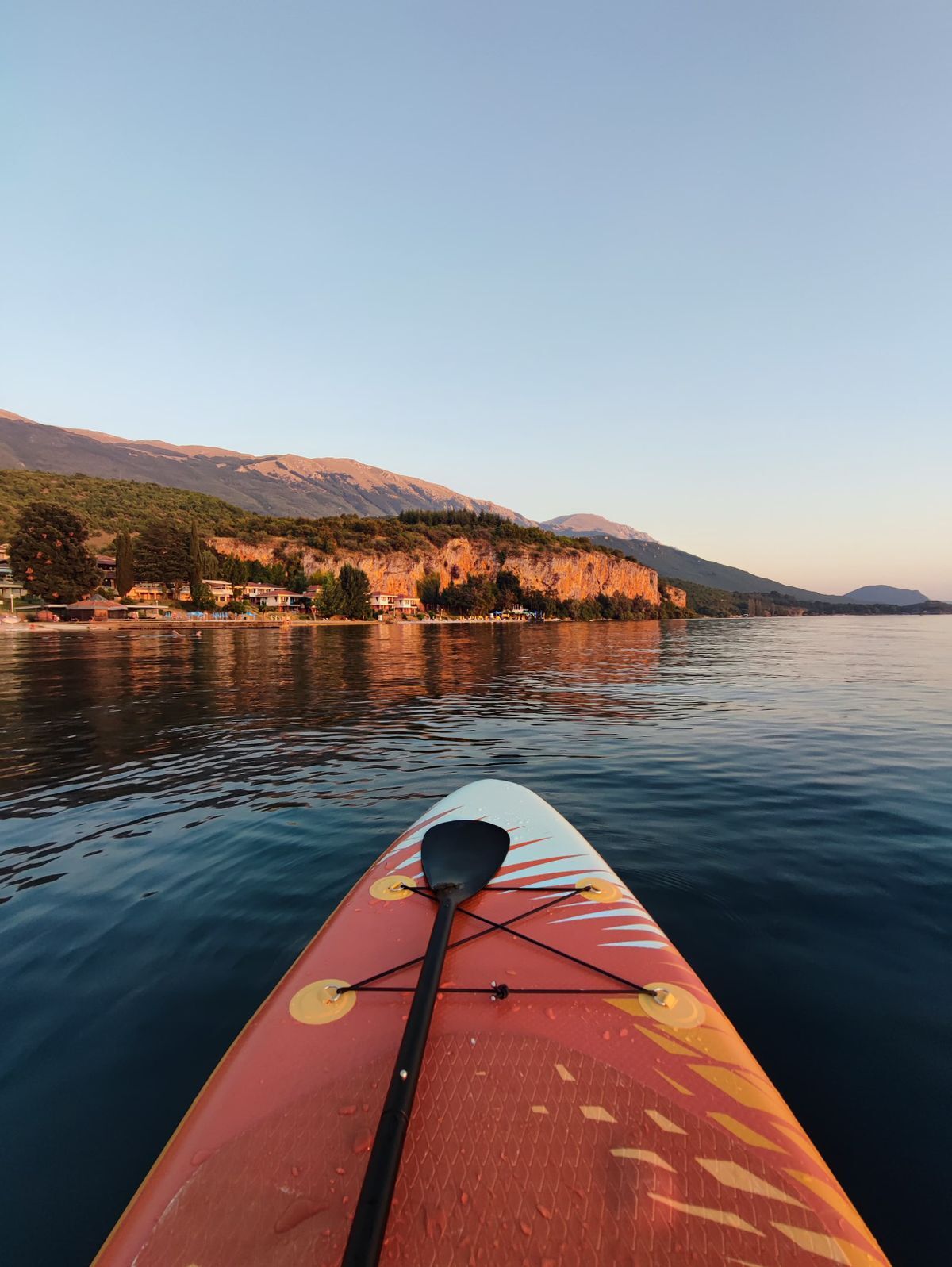
It is a bright June morning in Warwick, the water off Oakland Beach is glassy, and you slide your kayak in for a long paddle along the shoreline. Three hours later you are back at the launch, loading gear into the car, and you notice a deep ache between your shoulder blades and a tight, grumbling low back. By the next morning, you can barely twist to reach your coffee mug. If that sounds familiar, you are in good company. Narragansett Bay rewards the people who get out on it, but a full season of paddling, hauling, and pounding over chop asks a lot of the spine and shoulders.
At Enos Chiropractic Center in Warwick, Rhode Island, Dr. Jamie Enos sees this pattern every summer. Boaters and paddlers tend to push through the discomfort because they do not want to miss a good-weather weekend, and small strains quietly turn into the kind of pain that keeps you off the water. The good news is that most of these issues are predictable, preventable, and very treatable.
“Your body keeps a tally of every paddle stroke and every wave you slam over. My job is to keep that tally from turning into an injury that costs you your summer.”
The Injuries a Chiropractor Sees Most From a Day on the Water
Time on Narragansett Bay is wonderful for your mind and brutal on a few specific parts of your body. The same motions that make paddling and boating fun are repetitive, and repetition is what wears tissue down. Over a season, Dr. Enos commonly treats:
- Rotator cuff and shoulder strain from thousands of paddle strokes, especially when the power comes from the arms instead of the trunk.
- Lower back fatigue and lumbar strain from sitting low in a kayak with a rounded spine for hours at a time.
- Acute strains and tweaks from lifting a loaded cooler, dragging a boat up the ramp, or yanking a stubborn anchor.
- Neck and upper back tension from craning to watch your line, your kids, or the wake behind you.
None of these mean your season is over. They are signals, and early attention to them through good chiropractic care keeps a small complaint from becoming a long layoff.
Paddle From Your Core, Not Just Your Arms
The single biggest mistake Dr. Enos sees in paddlers is treating the stroke as an arm exercise. Your arms and shoulders are not built to power a kayak or paddleboard hour after hour. Your core is. When you rotate your torso and let the big muscles do the work, every stroke spreads the load across stronger tissue and spares your rotator cuff.
- Rotate from the waist and hips so your shoulders follow your trunk rather than reaching and pulling on their own.
- Keep a light grip on the paddle, because a death grip travels straight up into your forearms, shoulders, and neck.
- Plant and pull, then unwind, letting your opposite side drive forward instead of cranking with the same shoulder over and over.
If your shoulders are already barking at you, do not ignore it. Persistent ache, pinching, or weakness deserves a look, and targeted shoulder pain care can settle an irritated cuff before it sidelines you.
Sit Tall: Supporting Your Low Back in a Kayak
Kayaks put you in a low, legs-forward position that almost begs your lumbar spine to round into a slump. Hold that slouch for a couple of hours and the muscles that should be supporting your back simply give up, leaving the strain to your discs and ligaments.
- Set up your seat and backband so it supports the natural curve of your low back rather than letting you collapse backward.
- Engage your core gently the way you would for good posture on land, which steadies your spine through every stroke.
- Take posture breaks by sitting tall, rolling your shoulders, and resetting every fifteen or twenty minutes.
When a long paddle leaves your low back sore for days, that is your cue to address it with focused lower back pain care rather than hoping it fades on its own.
Lifting and Loading Gear Without Wrecking Your Back
Plenty of on-the-water injuries happen on dry land, in the parking lot at Goddard Park or on a Warwick boat ramp. Coolers, batteries, anchors, and the boats themselves are heavy and awkward, and they tend to get lifted in a hurry at the end of a tiring day when your form is at its worst.
- Hinge at your hips and bend your knees, keeping the load close to your body instead of reaching out and twisting at the same time.
- Slide before you lift, scooting heavy gear toward you across the dock or tailgate so you are not lifting at arm’s length.
- Split the load or ask for a hand, since two trips or two people beats one strained back every time.
If you do feel a sharp catch while loading up, stop and rest rather than gutting through one more lift. Catching a fresh strain early is far easier than chasing one that has set in for a week.
Already feeling it after a weekend on the water? You do not have to wait until you can barely move. Book an appointment with Dr. Jamie Enos and get ahead of the ache while it is still easy to settle.
Easing the Pounding of Powerboating Over Chop
If your time on the Bay is spent behind a powerboat throttle, your back faces a different challenge. A boat slamming over an afternoon chop sends a jarring, repetitive compression up through your seat and into your spine, and a long run home against the wind can leave you stiff and rattled.
- Stand and flex your knees in rougher water so your legs absorb the impact instead of your lumbar spine taking every hit.
- Trim and slow down when the chop builds, because shaving a little speed dramatically softens the pounding.
- Use a cushioned or suspension seat if you run offshore often, and keep your core lightly engaged to stabilize each landing.
Post-Outing Stretches and Recovery
What you do in the first hour after you get off the water has a lot to do with how you feel the next morning. A few minutes of easy movement helps your back and shoulders recover from hours of repetition and compression.
- Open your chest and shoulders with a gentle doorway stretch to undo all that forward-reaching paddle posture.
- Decompress your low back with slow knee-to-chest pulls and an easy spinal twist once you are home.
- Stay hydrated and keep moving with a short walk, since gentle motion clears the stiffness faster than collapsing onto the couch.
Make these a habit and you give your body a fighting chance to bounce back between outings instead of accumulating wear all season long.
How Chiropractic Care Keeps You on the Water All Season
Smart mechanics and good recovery habits go a long way, but they work even better alongside regular chiropractic care. Dr. Enos looks at how your spine, shoulders, and hips move together, finds the spots that are stuck or overworked, and helps restore the motion that paddling and boating quietly chip away at. Treating an irritated shoulder or a cranky low back early keeps small problems from snowballing into the kind that cost you weeks of the best weather Rhode Island offers.
Whether you are a daily paddler off Conimicut Point or a weekend powerboater chasing stripers, a body that moves well is a body that gets to enjoy the whole season. Enos Chiropractic Center is right here in Warwick, close to the launches and ramps you already use, and ready to keep you out on Narragansett Bay where you want to be.
Schedule Your Visit With Enos Chiropractic Center
Do not let a sore back or aching shoulder be the reason you skip a perfect day on the Bay. Dr. Jamie Enos and the team at Enos Chiropractic Center in Warwick, Rhode Island can help you paddle, lift, and ride the chop with less pain and more confidence all summer long. Whether you are managing a nagging issue or simply want to stay ahead of it, now is the time to get checked.
‹ Back
Recent Posts
-
-

-

-

Raking Season Is Coming: How to Protect Your Back During Fall Yard Work
September 23, 2026
-

Fall Sports Season: Protecting Young Athletes From Football to Cross-Country
September 16, 2026