

Blogs
Flying Without the Flare-Up: Beating Travel Back Pain on Summer Vacations
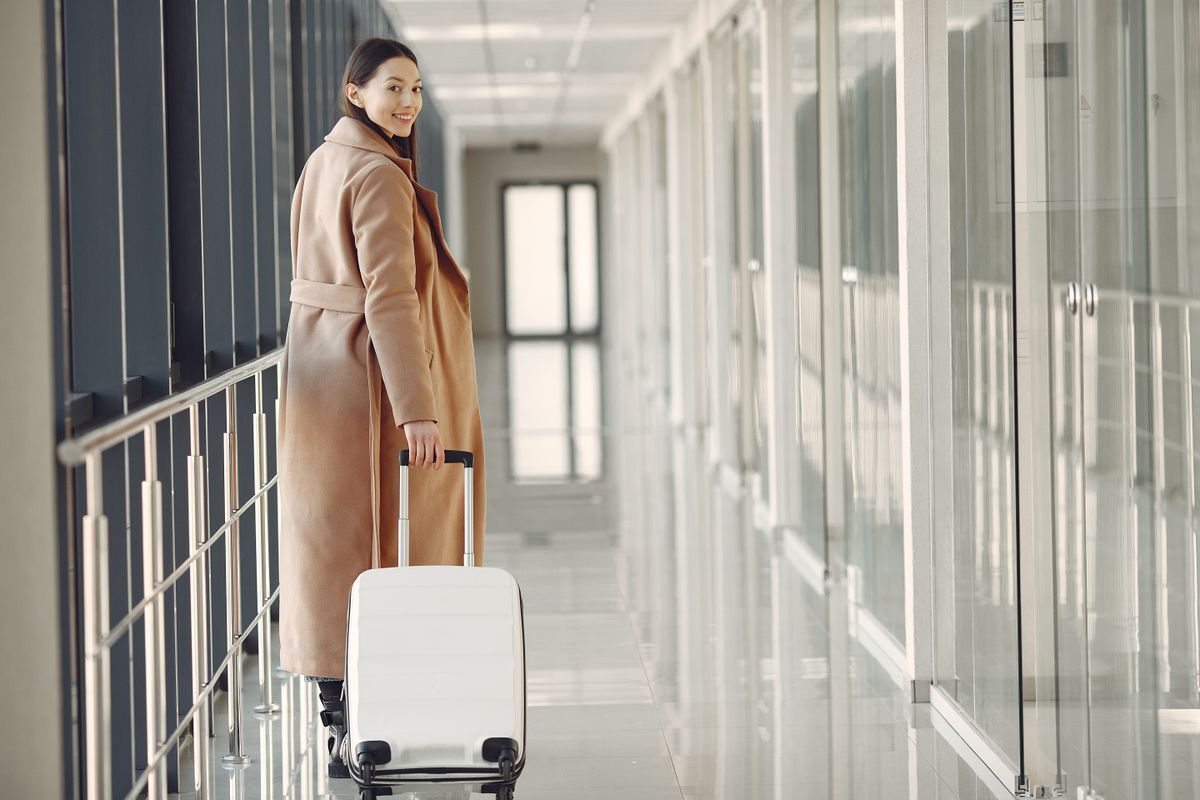
Summer Flights and Your Spine: Protecting Your Back and Neck When You Travel from Warwick, Rhode Island
You have been counting down to this trip for months. The bags are packed, the boarding passes are saved to your phone, and you are pulling out of your driveway in Warwick before sunrise for an early flight out of T.F. Green. By the time you are wedged into seat 24C, knees against the tray table and a tote bag crammed under the seat in front of you, your lower back has already started to complain. A few hours later you land stiff, sore, and quietly wondering whether you pulled something hauling your suitcase off the carousel.
If that sounds familiar, you are not imagining it. Air travel is genuinely hard on the human spine, and a summer vacation that should feel relaxing can turn into days of nagging back or neck pain. The good news is that a little planning goes a long way, and you have a local resource right here in greater Rhode Island.
That is where Enos Chiropractic Center comes in. Dr. Jamie Enos has spent years helping Warwick area travelers leave for vacation feeling good and come home without paying for the trip in soreness. A short visit before or after you fly can be the difference between a great getaway and a week of ice packs.
“Most travel pain is not bad luck. It is hours of poor support and a couple of careless lifts, and almost all of it is preventable with a plan.”
What Air Travel Actually Does to Your Back and Neck
The discomfort you feel after a flight is not random. Several things gang up on your spine at once, and understanding them is the first step to staying ahead of the pain.
- Cramped seats with almost no lumbar support. Airplane seats are built for the airline, not your back. The lower curve of your spine is left unsupported for hours, which strains the muscles and discs that keep you upright.
- Long stretches of sitting still. Holding any position for hours stiffens joints and tightens muscles. Your body is built to move, and a packed cabin gives it almost no room to do so.
- Awkward upright sleeping. Dozing off with your head lolling sideways or forward strains the neck and upper back, which is why you so often wake up with a sore, locked feeling.
- Dry, dehydrating cabin air. The low humidity at altitude pulls moisture out of you, and the discs that cushion your spine rely on hydration to stay healthy and resilient.
Stack those together over a three or five hour flight and it is no surprise that lower back pain care and neck pain care are two of the most common reasons travelers come through our doors in the summer.
Lifting Luggage Without Wrecking Your Back
More travel injuries come from the luggage than from the seat. Heavy bags, swung the wrong way, are one of the fastest routes to a back or neck flare. A few habits keep you safe.
- Hinge at your hips and bend your knees. When you grab a bag off the carousel or out of the trunk, drop into a slight squat and let your legs do the work instead of rounding your lower back.
- Keep the load close to your body. The farther a suitcase is from your center, the more leverage it has to strain you. Hug it in rather than reaching out at arms length.
- Lift the overhead bin in stages. Set the bag on the seat back or your hip first, then lift it up in a controlled motion rather than hoisting it straight from the floor to overhead.
- Never twist while you carry weight. Turn your whole body with your feet. Twisting under load is the classic way people tweak a disc.
Build Your Own Support Into the Seat
You cannot redesign the airplane, but you can give your spine the support the seat refuses to provide. The fixes are simple and pack flat.
- Roll a jacket or sweatshirt for your lower back. Tuck it into the gap between your lumbar curve and the seat. That small wedge restores the natural arch and takes a surprising amount of pressure off.
- Use a travel pillow the right way. The horseshoe pillow goes around the front and sides of your neck, not behind it, so your head cannot drop forward while you doze.
- Sit all the way back. Slide your hips to the very rear of the seat so your back is supported top to bottom instead of slumping into a C shape.
If you are already dealing with a stubborn lower back or neck issue, do not wait until you board. A quick pre-trip tune up makes a real difference. Book an appointment with Dr. Jamie Enos before your flight so you leave Warwick feeling loose and ready.
Keep Moving in the Air and in the Terminal
Motion is the antidote to the stiffness that flying creates. You do not need a gym, just a willingness to fidget with purpose.
- Stand and walk every hour or so. A slow lap to the back of the cabin and back resets your hips and gets blood moving through tight muscles.
- Do seated stretches in your seat. Gentle neck rolls, shoulder shrugs, and ankle circles keep things from locking up without bothering your neighbor.
- Walk the terminal during layovers. Resist the urge to collapse into a gate chair the whole time. A few minutes on your feet pays off for the next leg.
- Stretch before you board. A short walk and a few gentle bends at the gate loosen you up before the long sit begins.
Hydrate and Ease Back In After You Land
Two things people skip are staying hydrated and giving the body a chance to recover once the trip is over. Both matter more than they sound.
- Drink water steadily through the flight. Bring an empty bottle through security and fill it past the checkpoint. Your spinal discs and muscles work better hydrated, and the dry cabin is working against you.
- Go easy on the first day back. Unpacking, yard work, and catching up should not all happen the afternoon you land. Let your body reset before you load it up again.
- Listen to early warning signs. A little stiffness is normal. Sharp pain, numbness, or tingling that lingers is your cue to get it checked rather than push through.
Why a Pre-Trip or Post-Trip Visit Is Worth It
Thinking of chiropractic care as part of your travel plan, not just something you reach for once you are hurting, changes the whole experience. A visit before you leave makes sure your spine starts the trip aligned and mobile, so the hours of sitting have less to work against. A visit after you return helps undo the stiffness and catch a small flare before it becomes a week of misery.
Dr. Jamie Enos takes the time to understand how you travel, where you tend to get sore, and what your body needs to bounce back. For Warwick and greater Rhode Island travelers heading out of T.F. Green this summer, that local, personal care means your vacation memories are about the destination, not the backache you brought home.
Schedule Your Visit Before You Fly
Do not let a cramped seat and a heavy suitcase steal the joy out of your summer trip. Whether you want a tune up before you leave or some relief after a rough flight home, Enos Chiropractic Center in Warwick is ready to help you feel your best. Plan ahead, lift smart, keep moving, stay hydrated, and let Dr. Jamie Enos handle the rest.
‹ Back
Recent Posts
-

-

-

Raking Season Is Coming: How to Protect Your Back During Fall Yard Work
September 23, 2026
-

Fall Sports Season: Protecting Young Athletes From Football to Cross-Country
September 16, 2026
-

Back to the Desk: Undoing Summer's Posture Damage Before Fall
September 9, 2026