

Blogs
Pickleball Injuries: Protecting Your Back and Shoulders in Warwick, RI
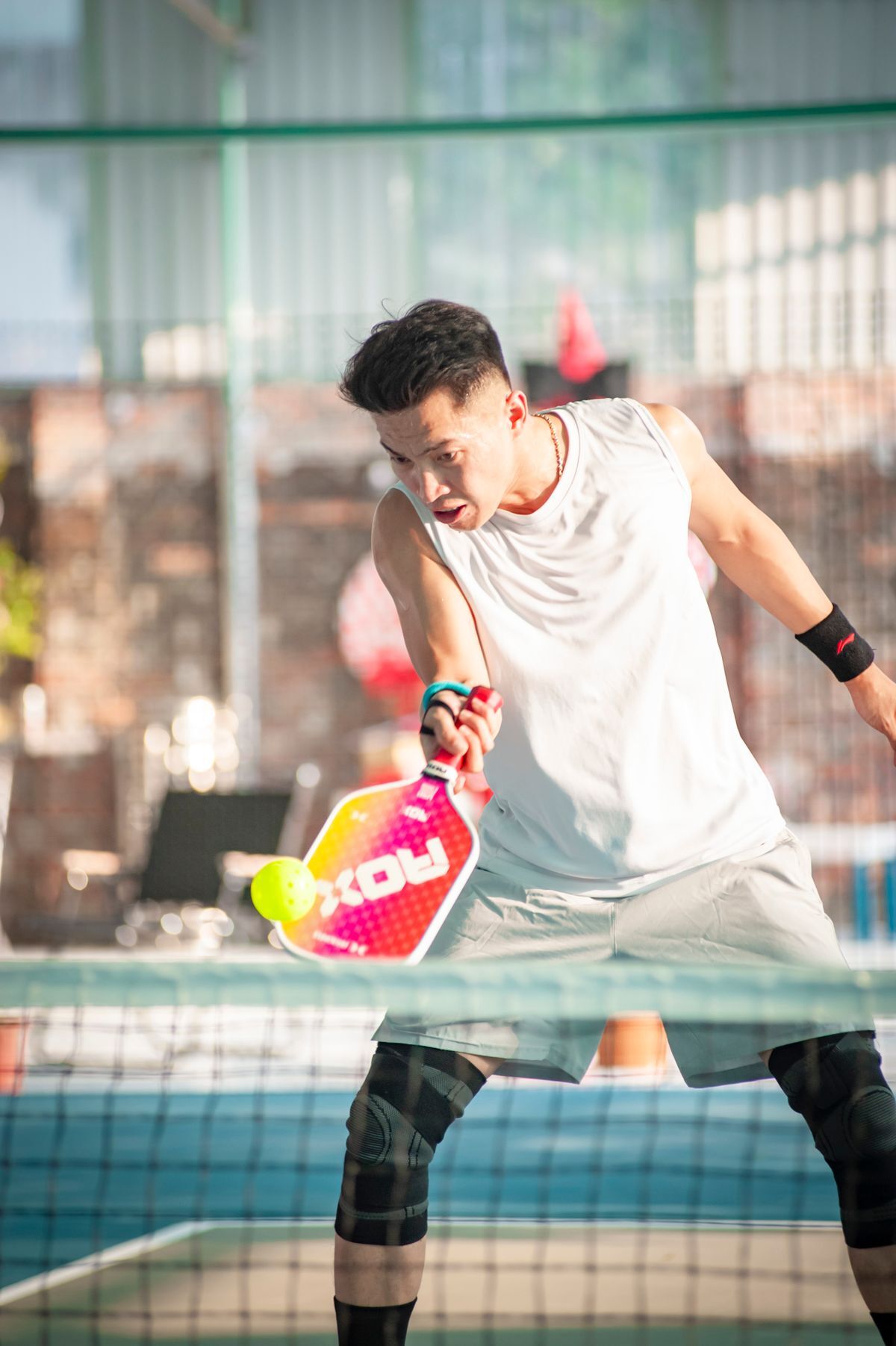
Pickleball Injuries in Warwick, Rhode Island: Protecting Your Back and Shoulders This Summer
It starts innocently enough. A neighbor invites you to fill in a doubles match at the courts near Oakland Beach, and three games later you’re hooked. Then, somewhere around the second week of regular play, you notice it: a deep ache in your low back when you bend to tie your shoes, or a sharp pinch in your shoulder every time you reach for an overhead serve. Pickleball is wonderful for your heart, your social life, and your summer, but the sport asks a lot of bodies that have been off the court for decades.
Here in the greater Warwick area, with new courts popping up around Narragansett Bay and leagues filling fast, more active adults and retirees are landing on the court than ever before. At Enos Chiropractic Center, Dr. Jamie Enos sees the predictable wear that follows: stiff necks, cranky rotator cuffs, and stubborn low-back flare-ups in players who were perfectly fine until the paddle came out.
The good news is that most of these complaints respond beautifully to early, conservative care. You do not have to choose between your favorite new hobby and a body that feels good the next morning.
“Most of my pickleball patients aren’t hurt because the sport is dangerous. They’re hurt because they went from the couch to four sets without ever warming up. Fix that, and they stay on the court for years.”
Why Pickleball Is Tougher on Your Body Than It Looks
Pickleball seems gentle from the sidelines. The court is small, the paddle is light, and rallies look unhurried. But the demands are sneaky. Quick lateral shuffles, sudden stops at the kitchen line, hard pivots, reaching lunges, and repeated overhead serves all stack up over an hour of play. None of these movements is dramatic on its own, yet together they load joints and soft tissue that many of us simply do not use this way in daily life.
Two factors make it worse for the 40-plus crowd. First, the start-stop nature of the game catches cold muscles off guard. Second, many players come in deconditioned after years away from organized sport. The body has the willingness, but the supporting muscles, mobility, and balance need a little time to catch up.
- Repetitive overhead motion: serving and putting away high balls works the rotator cuff in a range most adults rarely visit, which is why shoulders complain first.
- Rotation under load: the twist of a backhand or a reaching dink stresses the low back and the discs and joints that stabilize your spine.
- Sudden direction changes: lateral darts and quick stops challenge the knees, hips, and ankles all at once.
The Most Common Pickleball Complaints a Chiropractor Sees
Patterns emerge fast once a clinic starts seeing pickleball players. Some aches are mechanical and respond quickly, while others signal tissue that needs more focused attention. Knowing which is which helps you act early instead of playing through pain until it becomes a real problem.
- Low-back pain and stiffness: usually from repeated rotation and bending, and a frequent reason players seek lower back pain care before the season is half over.
- Shoulder and rotator cuff strain: the classic serve-and-reach injury, often felt as a pinch overhead or an ache when sleeping on that side.
- Neck tension: from constantly tracking the ball and looking up to serve, which tightens the muscles at the base of the skull.
- Tennis elbow and golfer’s elbow: repetitive paddle impact irritates the tendons on either side of the elbow.
- Knee and ankle soreness: the byproduct of quick pivots on hard outdoor courts.
If a tender shoulder is sidelining your serve, our shoulder pain care is built around exactly this kind of overhead-sport strain.
The Real Culprits: Skipped Warm-Ups and Weekend-Warrior Habits
When Dr. Enos traces a pickleball injury back to its origin, the cause is rarely the sport itself. It is the approach. Two habits do most of the damage, and both are entirely fixable once you know to watch for them.
- Skipping the warm-up: cold muscles and stiff joints do not absorb force well, so the first hard lateral move or overhead swing becomes the moment of injury.
- Weekend-warrior deconditioning: playing intensely on Saturday after a sedentary week asks tissue to perform without the conditioning to back it up.
- Ignoring early signals: pushing through a small ache for “just one more game” turns a minor strain into weeks of recovery.
None of this means you should play less. It means a few minutes of preparation and a smarter weekly rhythm protect the fun you are having now. If you have already felt that first warning twinge, this is the ideal time to book an appointment with Dr. Jamie Enos and address it before it settles in.
How Chiropractic Care Keeps You on the Court
Conservative, hands-on care is well suited to the kind of mechanical strain pickleball produces. Rather than masking discomfort, the goal is to restore normal motion, calm irritated tissue, and rebuild the strength and control that keep the injury from coming back. Comprehensive chiropractic care at Enos Chiropractic Center usually blends several approaches.
- Spinal and joint adjustments: gentle, targeted movement restores motion to stiff segments in the back, neck, and mid-spine so rotation feels free again.
- Soft-tissue work: focused muscle and fascia techniques release the tight bands that build up around the shoulder, hip, and elbow.
- Rehab and corrective exercise: simple strengthening for the rotator cuff, core, and hips addresses the deconditioning that caused the problem in the first place.
For stubborn shoulder and elbow tissue that has not responded to rest, SoftWave therapy can be a valuable addition. It uses acoustic wave energy to encourage your body’s own repair response in tendons and other slow-healing structures, which is exactly the kind of tissue an aggravated rotator cuff or tennis elbow involves.
Practical Warm-Up, Footwork, and Recovery Tips
A little structure around your play goes a long way. You do not need a trainer or a gym membership, just a handful of habits that prepare your body before the first serve and help it bounce back afterward. Build these into your routine and you will likely feel the difference within a couple of sessions.
- Warm up with movement: spend five minutes on arm circles, gentle trunk twists, leg swings, and a brisk walk before you pick up the paddle.
- Stay low and use your feet: bend at the hips and knees to reach low balls rather than rounding your back, and shuffle to position instead of lunging flat-footed.
- Hydrate and pace yourself: Rhode Island summer humidity adds up, so drink water and take breaks between games rather than playing straight through.
- Cool down and stretch: a few minutes of easy shoulder, hip, and calf stretches afterward keeps soreness from setting in overnight.
- Build a base off the court: two short strength sessions a week for your core, glutes, and shoulders make every match safer.
Signs It’s Time to Get Evaluated
Ordinary soreness fades within a day or two and eases as you move. Certain symptoms, though, are your body asking for a closer look, and catching them early almost always means a shorter, simpler recovery.
- Pain that lingers: an ache that sticks around more than a few days, or returns every time you play, deserves attention.
- Sharp or pinching sensations: a catch in the shoulder on overhead motion or a stab in the low back during rotation points to something mechanical.
- Numbness, tingling, or weakness: symptoms traveling into an arm or leg should always be evaluated promptly.
- Reduced range of motion: if you cannot reach, turn, or serve the way you used to, the joint needs help getting that motion back.
Schedule Your Visit at Enos Chiropractic Center
Pickleball should add years of activity and friendship to your life, not a chronic ache that keeps you off the court. Whether you are nursing a flare-up from last weekend’s league or simply want to play smarter before something starts, Dr. Jamie Enos and the team at Enos Chiropractic Center in Warwick can build a plan around your goals. Catching a strain early, restoring your motion, and shoring up the weak links is how local players stay in the game season after season.
‹ Back
Recent Posts
-

-
Raking Season Is Coming: How to Protect Your Back During Fall Yard Work
September 23, 2026
-

Fall Sports Season: Protecting Young Athletes From Football to Cross-Country
September 16, 2026
-

Back to the Desk: Undoing Summer's Posture Damage Before Fall
September 9, 2026
-
Backpacks and Back-to-School: Protecting Your Child's Spine This Fall
September 2, 2026