
Blogs
Why Holiday Eating Habits Can Make Old Injuries and Pain Flare Up
If you’ve ever noticed an old injury suddenly acting up after the holidays, you’re not alone. Many people experience flare-ups of back pain, neck pain, joint stiffness, or lingering injuries in January — even if they haven’t done anything physically demanding.
At Enos Chiropractic Center in Warwick, RI, this is something we see every year. The cause is rarely “getting older” or random bad luck. More often, it’s inflammation driven by holiday eating habits combined with reduced movement and disrupted routines.
Why Old Injuries Are More Sensitive Than You Think
Even injuries that healed years ago often leave behind subtle changes in the body. Scar tissue, altered movement patterns, and areas of reduced circulation can remain long after pain disappears.
These areas may function just fine most of the year — until inflammation increases. When that happens, old problem spots are often the first places to react.
That’s why people commonly report:
- Old back injuries suddenly feeling tight or painful
- Past shoulder or knee injuries flaring up
- Neck stiffness returning after months of relief
- Sciatica or nerve pain reappearing
How Holiday Eating Increases Inflammation
Between Thanksgiving and New Year’s, diets tend to shift dramatically. Sugar intake increases, processed foods become more common, alcohol consumption rises, and hydration often drops.
These changes have a direct effect on inflammation in the body.
Excess sugar causes blood sugar spikes that promote inflammatory responses. Processed foods often contain refined carbohydrates, unhealthy fats, and additives that increase oxidative stress. Alcohol further dehydrates tissues and slows recovery.
When inflammation rises, tissues become more sensitive — especially areas that were previously injured or stressed.
Why Inflammation Targets Old Injuries First
Old injuries are often areas with:
- Reduced circulation
- Residual scar tissue
- Altered movement patterns
- Lower tissue resilience
When inflammation increases system-wide, these vulnerable areas struggle to manage the extra stress. The result is pain, stiffness, and reduced mobility — sometimes seemingly out of nowhere.
This doesn’t mean the injury has “come back.” It means the body is struggling to manage inflammation and mechanical stress at the same time.
Why the Spine Plays a Central Role
Many old injuries trace back to the spine, even if pain shows up elsewhere. Spinal joints influence posture, movement patterns, and nerve function throughout the body.
When inflammation builds around spinal joints:
- Joint motion becomes restricted
- Muscles tighten to protect irritated areas
- Nerves become more sensitive
This can cause pain to appear in places like the hips, shoulders, knees, or arms — even if the original injury wasn’t in the spine.
Why Rest and Pain Medication Often Fall Short
Many people try to manage flare-ups with rest, ice, or medication. While these approaches may reduce symptoms temporarily, they don’t address the underlying causes.
Medication does not restore joint motion. Rest does not correct alignment. And inflammation often returns once normal activity resumes.
Without addressing movement and nervous system function, old injuries remain vulnerable.
How Chiropractic Care Helps Calm Flare-Ups
Chiropractic care helps address the mechanical and neurological components that contribute to post-holiday flare-ups.
Chiropractic adjustments help:
- Restore proper joint motion
- Reduce tension around previously injured areas
- Improve circulation to stressed tissues
- Relieve pressure on irritated nerves
- Support the body’s natural healing response
When joints move properly again, inflammation can clear more efficiently instead of lingering in vulnerable areas.
The Role of SoftWave Therapy in Old Injury Recovery
For patients dealing with stubborn flare-ups or chronic inflammation, we often incorporate SoftWave Therapy into care.
SoftWave Therapy uses acoustic sound waves to stimulate healing in areas with poor circulation or scar tissue. It helps:
- Increase blood flow to injured tissues
- Stimulate cellular repair
- Reduce chronic inflammation
- Improve tissue flexibility
When combined with chiropractic adjustments, SoftWave Therapy can help old injuries calm down faster and stay quiet longer.
Simple Nutrition Changes That Help Prevent Flare-Ups
While chiropractic care restores movement and alignment, nutrition plays a major role in controlling inflammation.
To help prevent flare-ups after the holidays:
- Increase water intake to support tissue hydration
- Reduce added sugars and refined carbohydrates
- Focus on whole foods like vegetables, fruits, and lean proteins
- Include healthy fats such as olive oil and omega-3s
- Limit alcohol while the body recovers
These changes don’t require extreme dieting — just consistency.
Why January Is the Right Time to Address Old Injuries
Early in the year is often when flare-ups first appear. Addressing them now helps prevent a minor setback from turning into months of recurring pain.
Restoring alignment and reducing inflammation early can help:
- Prevent chronic pain cycles
- Improve mobility and flexibility
- Reduce reliance on medication
- Protect long-term joint health
Helping Your Body Recover the Right Way
Old injuries flaring up after the holidays is not a sign that your body is failing. It’s a signal that inflammation and movement need attention.
With chiropractic care, supportive therapies, and smarter nutrition choices, your body can recover naturally — without masking symptoms.
If old injuries or pain are acting up, now is the time to address them. Book an appointment with Enos Chiropractic Center and let’s help your body calm inflammation, restore movement, and get back to feeling like itself again.
‹ Back
Recent Posts
-
-

-
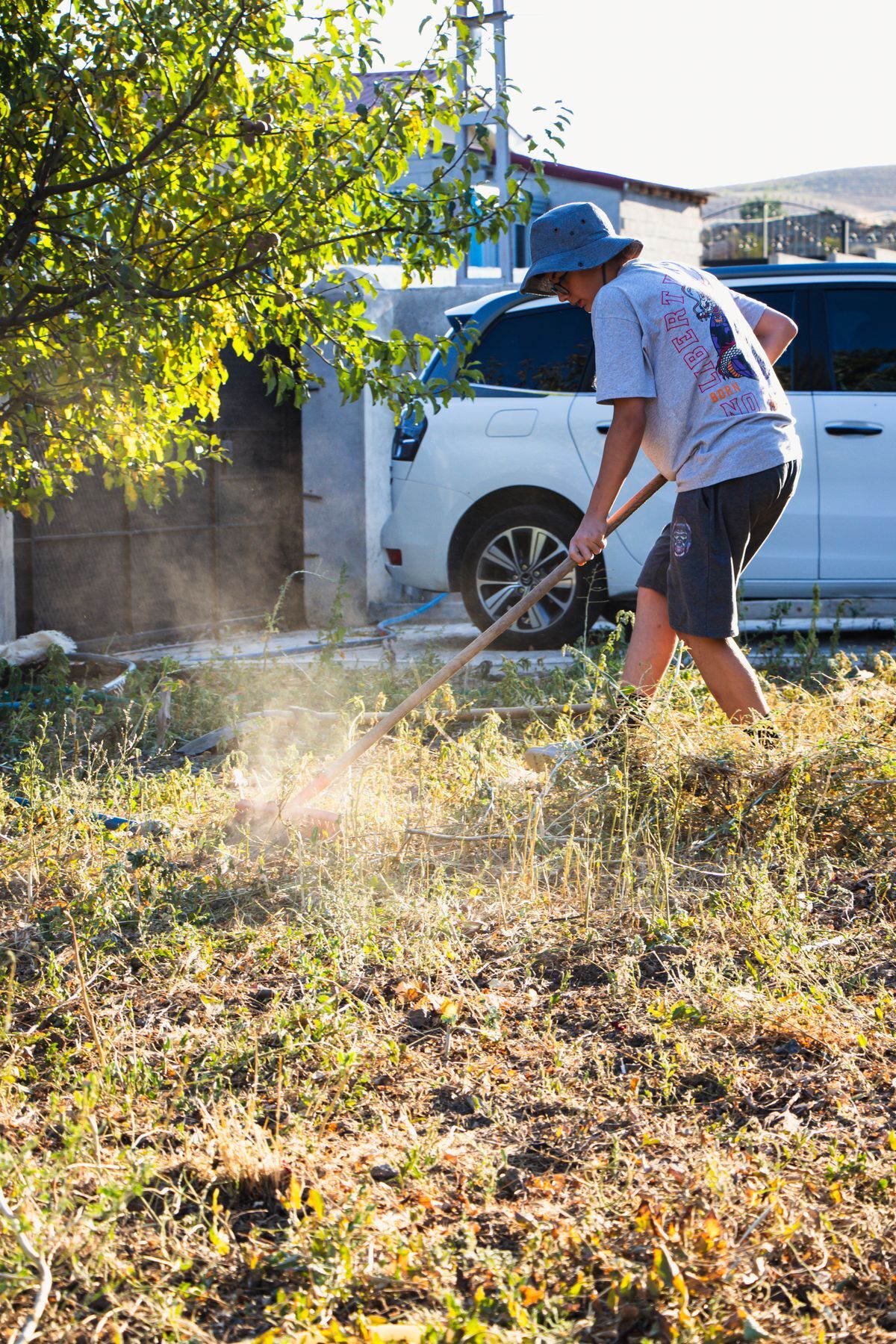
Raking Season Is Coming: How to Protect Your Back During Fall Yard Work
September 23, 2026
-
Fall Sports Season: Protecting Young Athletes From Football to Cross-Country
September 16, 2026
-

Back to the Desk: Undoing Summer's Posture Damage Before Fall
September 9, 2026